Big endurance challenges an everyday person can build toward
The Channel, an Ironman, a 100-mile trail race. What each one asks of the body, and why the sensible way in is slow, checked by a doctor and built over years.
On this page (6 sections)
Most people look at a feat like swimming the English Channel and file it under superhuman.
It is an easy story to tell ourselves, because it lets us off the hook. I don’t think it’s the whole truth. Aerobic endurance is one of the more trainable things about the human body, and ordinary people with jobs and families do finish these events. What they have in common is rarely talent. It is patience, a sensible plan and a bit of luck with injuries.
A caution before the good bit. Big endurance events carry real risk, particularly cold water, heat and long hours without sleep. Please see your doctor and get medical clearance before you start training for anything on this list, and treat what follows as general information, not advice for your body. Think of each of these as something you build toward over years, not months.
1. The English Channel
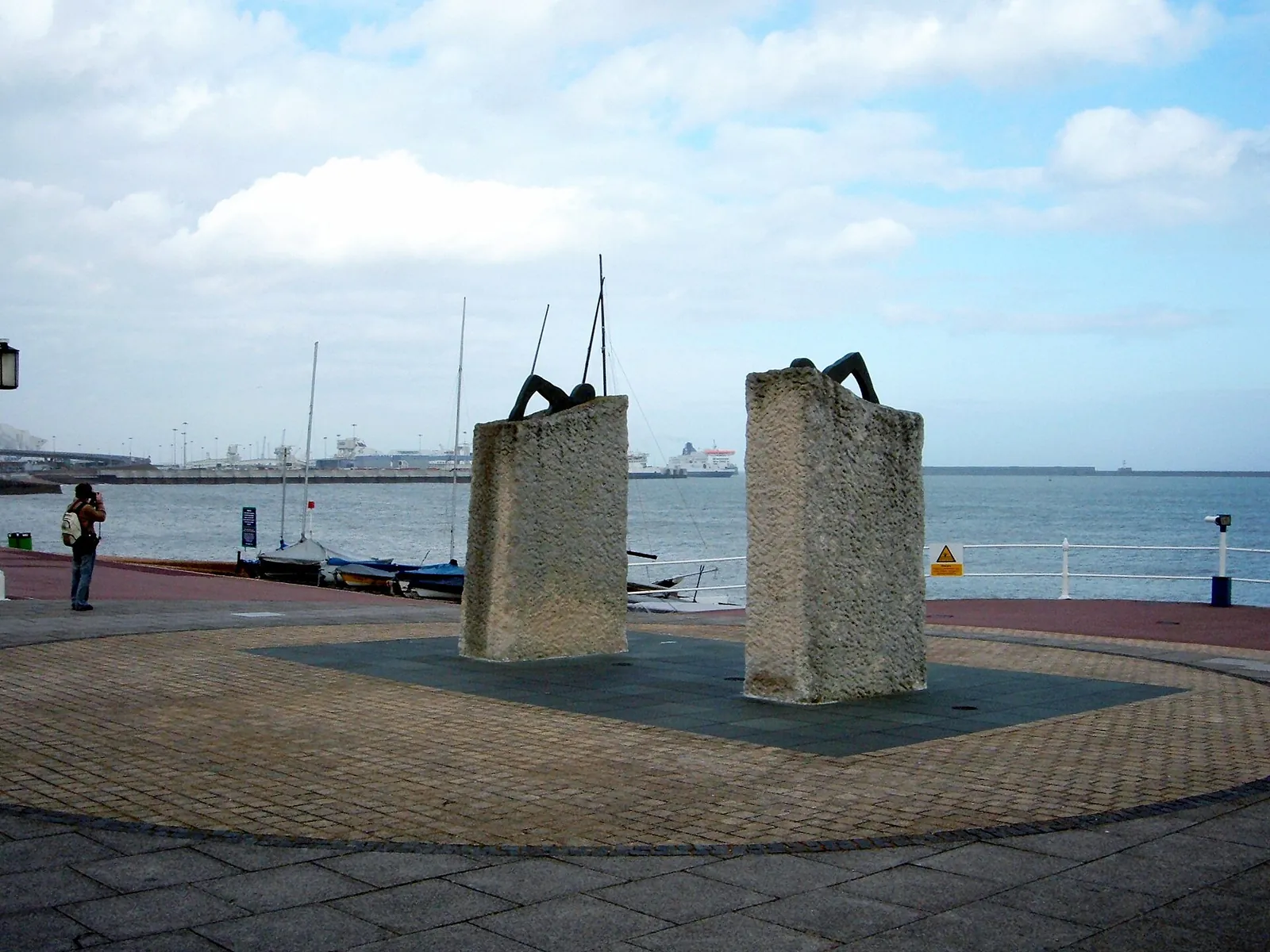
The straight-line distance from Dover to France is about 34 km (21 miles), but tides mean most swimmers cover more. Dover’s published statistics put the average solo crossing time at a little over 13 and a half hours.
What it asks of you:
- Cold-water experience. This is the part I would be most careful about. Cold water is dangerous, and the way to learn it is with a qualified open-water coach and experienced swimmers, not by improvising alone. I won’t give a recipe for cold adaptation here, because the wrong version can hurt you.
- Shoulder health. A crossing takes tens of thousands of strokes (my estimate from stroke rates, not a measured figure). Building swim volume gradually, and working on shoulder strength and technique, matters more than any single big week.
- Feeding on the move. You can’t stop, so you practise the routine in training.
2. The full-distance Ironman
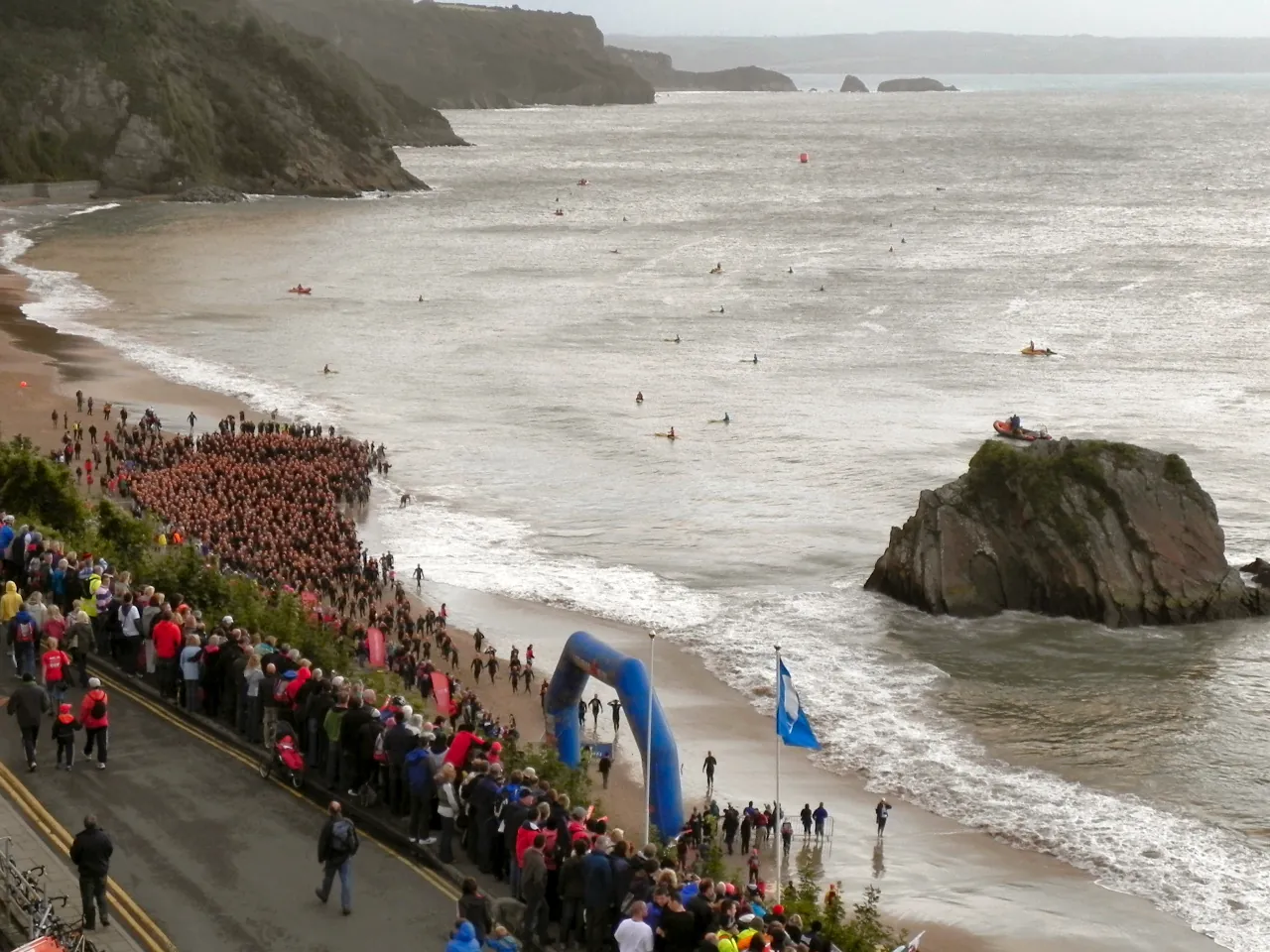
An Ironman is a 3.8 km swim, a 180 km ride and a marathon, in that order (Ironman race format). Plenty of everyday athletes finish them. Two ideas help.
Aerobic base and metabolic flexibility. San-Millan and Brooks (2018) compared professional endurance athletes with moderately active and metabolically unhealthy people. The professionals burned more fat at a given effort and had lower blood lactate, and in all three groups fat burning and lactate moved in opposite directions. That doesn’t prove that easy training causes the difference. It does fit with the long-standing idea that lots of easy aerobic work is the foundation. Pelaris has a guide to zone 2 training, and an article on what the zone 2 research does and doesn’t show.
Training the gut. Jeukendrup’s 2014 review suggests about 60 grams of carbohydrate an hour for 2 to 3 hours of exercise from a single source, and about 90 grams an hour for ultra-endurance events, using multiple transportable carbohydrates. Those higher rates need practice, and they depend on the person. Rehearse your race fuelling on long sessions, and read our fuelling guide. For triathlon-specific strength work, see the Ironman page.

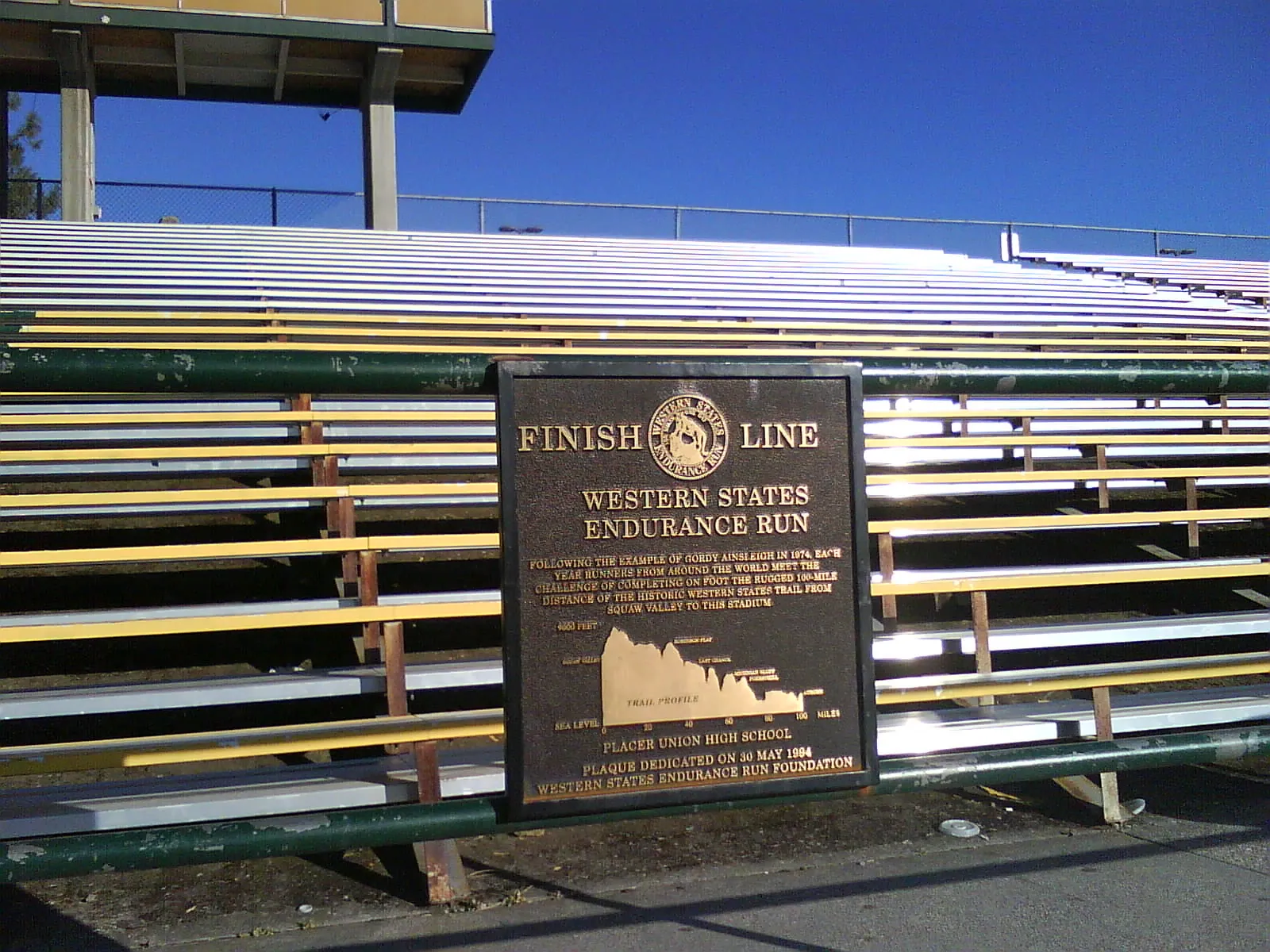
3. A 100-mile trail race
A 100-mile (160 km) trail race is 24 hours or more on your feet. The usual problems are stomach upsets, blisters, pacing too hard early and legs that give out on the descents.
The tissue question is worth a clear-eyed look. Fitness can improve faster than your tendons and bones can cope with. A systematic review by Bohm and colleagues (2015) pooled 27 studies of at least 8 weeks and found tendons respond to loading, with the size of the load (not the type of muscle contraction) the main driver of stiffness change. Longer programs tended to show larger changes, though not significantly. So tendons are adaptable, and heavy strength work helps. It is not a promise that any particular timeline is safe, and I would not put a number of months on it.
How I would approach it:
- Work up through shorter distances first (a 50 km event, then longer), so your body meets each new demand gradually.
- Keep strength training in year-round. Squats, step-downs and calf work help the legs handle downhill running.
- Treat the weekly-increase rules as heuristics. The “10 percent rule” didn’t reduce injuries in a randomised trial of 532 novice runners (about 20 percent were injured in each group), and in a cohort of 874 novices a rise of more than 30 percent over two weeks was linked to more distance-related injuries than rises under 10 percent, though that result was borderline. The lesson is to build steadily and watch for niggles.
4. Multi-day bikepacking
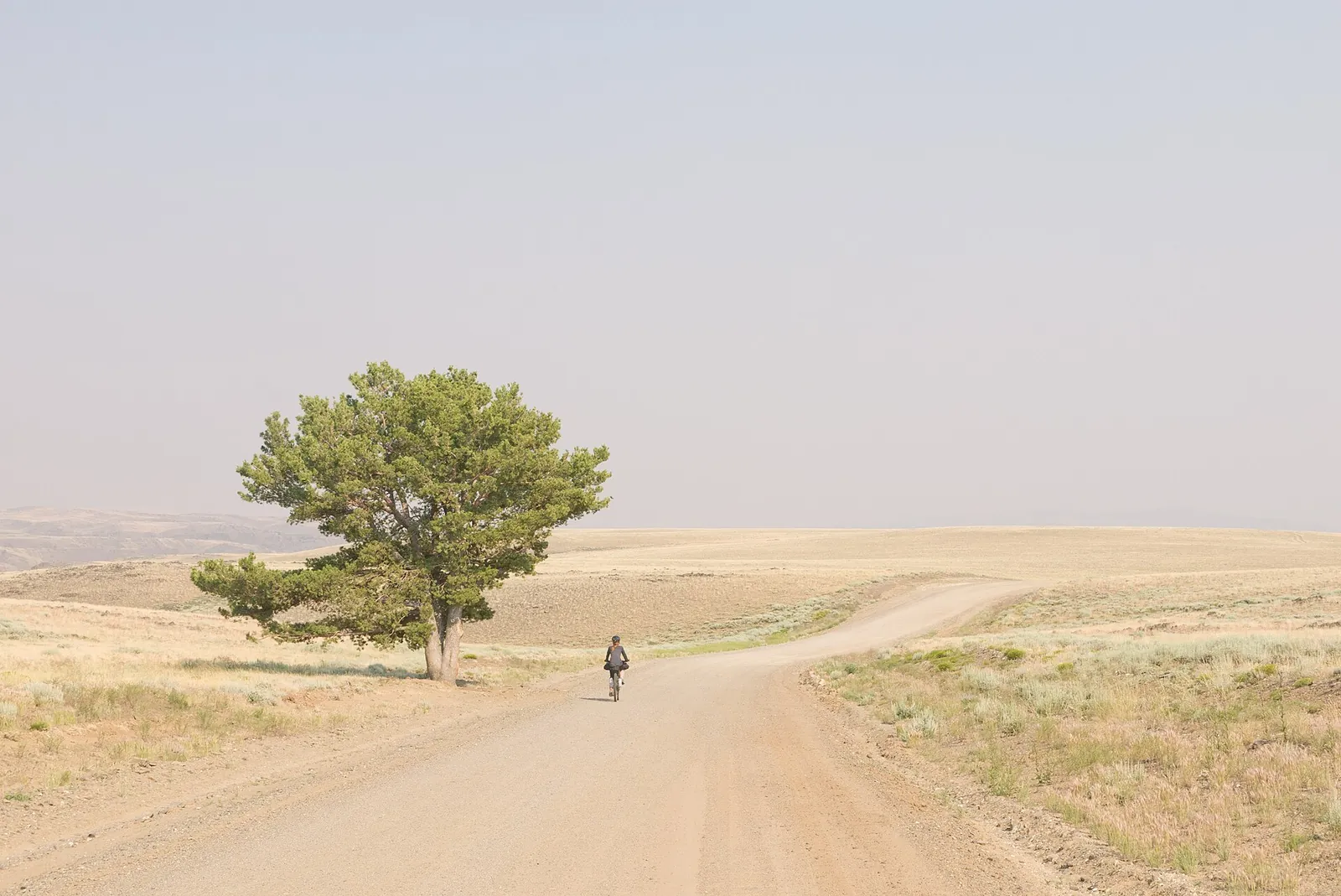
Riding several days with your gear on the bike is a different test. Contact points (hands, feet and saddle), steady eating and sleep management tend to matter more than raw power. Build the hours in the saddle gradually, test your kit on long weekends, and get a proper bike fit well before you go.
A roadmap, with the caveat
Here is one way to think about an ambitious goal over a couple of years. It is a sensible shape rather than a research-backed timeline.
PHASE 1: FOUNDATION (the first several months)
Goal: Build consistency and joint resilience.
Focus: Mostly easy aerobic work, plus regular strength training.
Check: Sessions completed, and no recurring niggles.

PHASE 2: DEVELOPMENT (the following year)
Goal: Longer sessions and rehearsed race fuelling.
Focus: Gradually longer sessions, a shorter event along the way.
Check: A comfortable long day out, and a fuelling plan that sits well.

PHASE 3: SPECIFIC PREPARATION (the months before the event)
Goal: Practise the conditions you will actually face.
Focus: Heat, hills or open water, with proper coaching where it matters.
Check: A rehearsal that feels manageable, not heroic.
If a phase needs longer, take longer. The plan is there to serve you, not the other way around.
What this means for your training
- Get medical clearance first. Cold, heat and long durations all raise the stakes. See your doctor before you commit.
- Think in years. Aerobic fitness comes quickly, tendons and bones are generally thought to take longer, so the kind thing to do for yourself is to be patient.
- Treat the rules of thumb as rules of thumb. The 10 percent rule is a starting point for conversation, not a safety guarantee.
- Keep easy days easy. Most of the aerobic work should feel conversational.
- Lift year-round. Strength training supports tendons and running economy.
- Rehearse fuelling. Practise your race nutrition on long sessions, not on the day.
- Get coaching for the risky parts. Open water in particular needs a qualified coach.
I built Pelaris so this kind of long-term build can be planned around your real life, with training load that adjusts as you complete sessions and as your recovery changes. If you connect a wearable, it can use that data too. It starts from where you are today, aims for the horizon, and leaves the pace of the build up to you. The endurance page has more on how it handles long events.
46:55
4:42/km
1:43:30
4:54/km
3:35:48
5:07/km
| Distance | Projected [EST] | Pace / km | Pace / mi | Pelaris 0.5x–2.0x Fence |
|---|---|---|---|---|
| 1,500m | 6:17 | 4:11/km | 6:44/mi | Outside 0.5x Fence (0.30x distance) |
| 1 Mile | 6:46 | 4:12/km | 6:46/mi | Outside 0.5x Fence (0.32x distance) |
| 3K | 13:06 | 4:22/km | 7:02/mi | Supported Projection (0.5x to 2.0x) |
| 5K | 22:30 | 4:30/km | 7:15/mi | Known Effort Baseline |
| 10K | 46:55 | 4:42/km | 7:33/mi | Supported Projection (0.5x to 2.0x) |
| 15K | 1:12:06 | 4:48/km | 7:44/mi | Outside 2.0x Fence (3.0x distance) |
| Half Marathon (21.1K) | 1:43:30 | 4:54/km | 7:54/mi | Outside 2.0x Fence (4.2x distance) |
| Marathon (42.2K) | 3:35:48 | 5:07/km | 8:14/mi | Outside 2.0x Fence (8.4x distance) |
General fitness and training estimates only. Not medical advice.
The link carries the numbers you entered in the part of the address after the #, which is never sent to a server. Share it only with people you are happy to show those numbers to.
About these numbers: Formula, guard-rails & 2 peer-reviewed citations ▾
T₂ = T₁ × (D₂ ÷ D₁)^1.06 · Supported Fence: 0.5× ≤ D₂/D₁ ≤ 2.0×
Pelaris only auto-projects race times between half and double the distance you actually ran (for example, 5K to 3K or 10K). Distances beyond 2.0x require specific long-run durability and fuelling verification.
- • When a strong run at one distance hints at your time over another, that is Riegel's power law, drawn from world records from 100 metres out to 100 miles. [Source]
- • Your VO2max estimate from a hard run comes straight from Daniels' VDOT tables, the pace-to-fitness model coaches have trusted for over forty years. [Source]
General fitness and training estimates only, labelled EST. Not medical advice or a clinical diagnosis.