Five of the hardest endurance events, and what they teach us
Arch to Arc, Badwater 135, Tor des Geants, Marathon des Sables and Norseman: what each asks of the body, and the lessons you can take into ordinary training.
On this page (6 sections)
I find the hardest events in endurance sport fascinating, and I think they have something useful for the rest of us.
I don’t mean “go and do one”. Several of these events carry real risk, and the people who finish them have usually spent years getting ready. I mean that the way they are built exposes the principles that hold for any athlete: pacing, fuelling, patience and respect for the environment. This is a tour of five of them, with what I take from each.
Arch to Arc
Arch to Arc is a three-leg crossing from London to Paris: a run from Marble Arch to Dover, a swim across the English Channel, then a bike ride from Calais to the Arc de Triomphe. The run is roughly 130 km (80 miles, which is the organiser’s figure; some sources say 87), the Channel swim is about 33.5 km, and the ride is about 290 km (180 miles). Enduroman, the organiser, says 66 athletes have completed it, seven of them without a wetsuit. The first finisher, Edgar Ette in 2001, took 81 hours and 5 minutes.

What I take from it: three sports, each at the wrong time. You swim on legs that have already run about 130 km. For most of us the transferable lesson is about sequencing and fatigue. The order in which you do things changes what each one costs.
Badwater 135
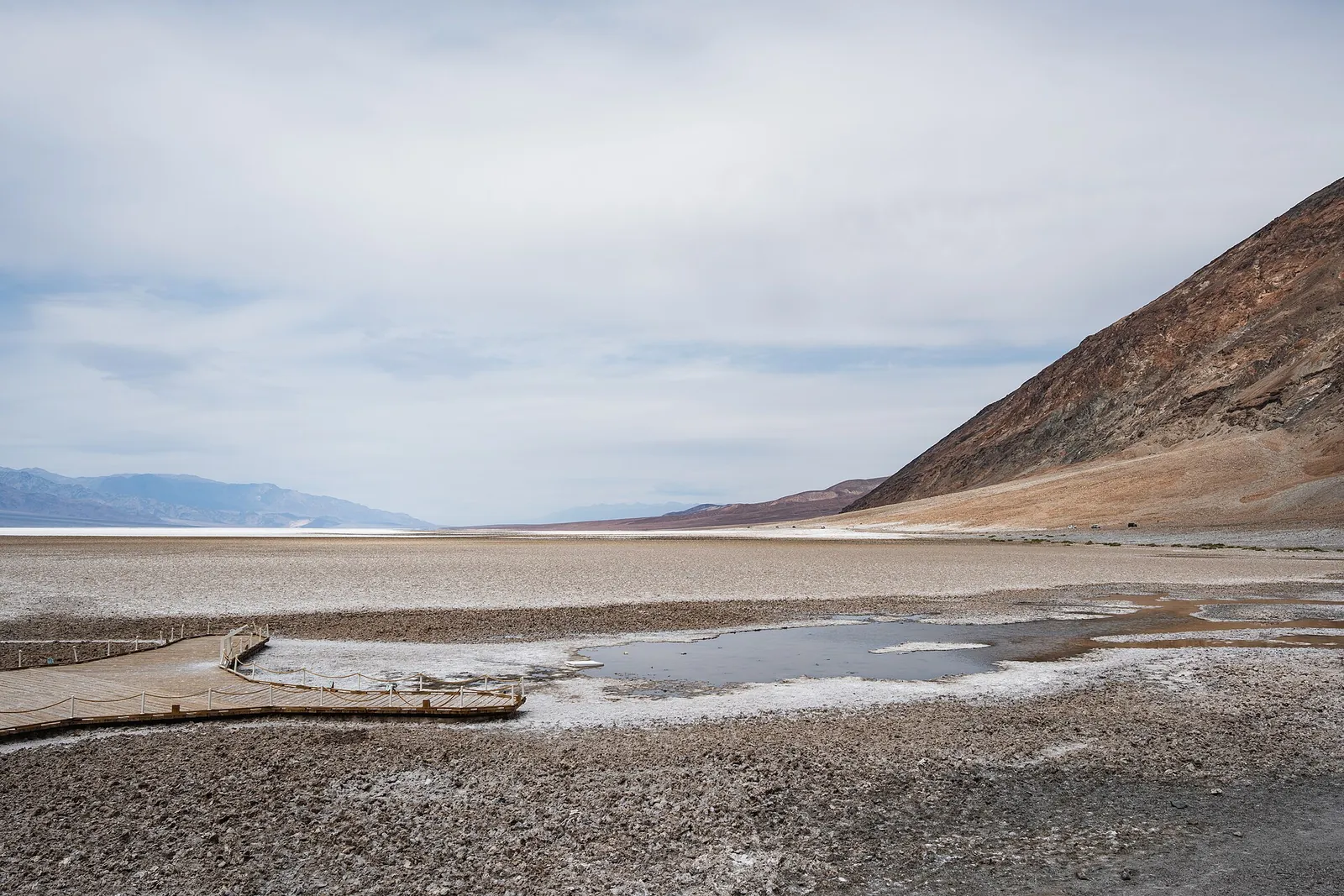
Badwater 135 runs 217 km (135 miles) from Badwater Basin in Death Valley, about 85 metres below sea level, to Whitney Portal at about 2,550 metres, in July. The US National Park Service gives the average July high in Death Valley as 41 C (116 F), and the valley holds the record for the hottest air temperature ever recorded, 57 C. The race is invitation-only, limited to about 100 entrants, with a 45-hour course limit from 2026.
What I take from it: heat is a load of its own. Fuelling and fluids become part of the training, and individual sweat rates vary a lot. Pelaris has a guide to hydration for endurance athletes and a guide to fuelling long sessions that cover the basics at everyday scale. Heat adds real medical risk, which is one more reason this one is for people with a lot of experience and a medical team.
Tor des Geants
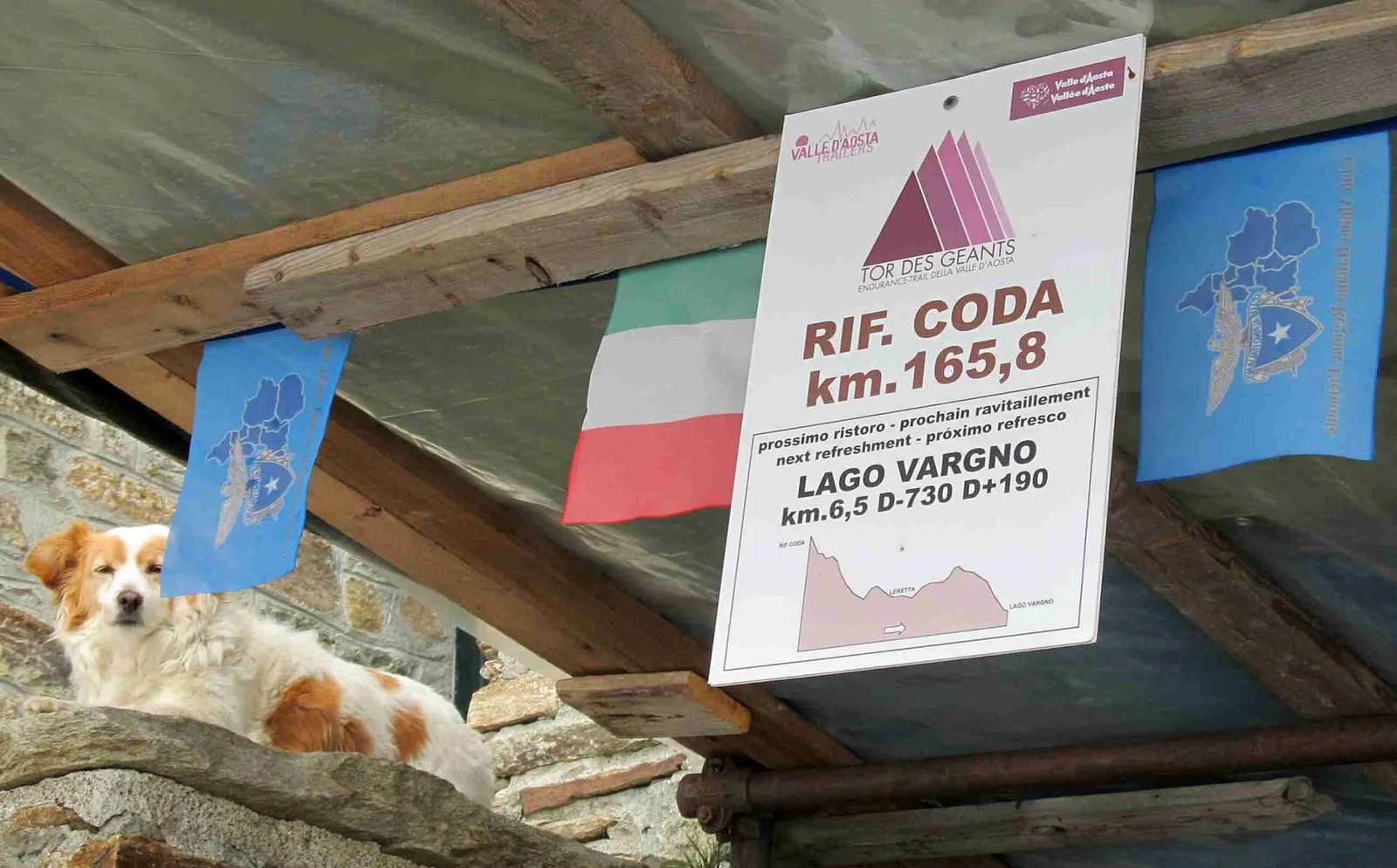
The Tor des Geants is a 330 km trail race through Italy’s Aosta Valley each September, with about 24,000 metres of climbing and a 150-hour limit. Runners sleep when and where they can, at aid points along the route.
It has also been studied. Saugy and colleagues (2013) tested 15 experienced runners (mean finish time about 122 hours) before, during and after the race. Knee-extensor strength fell by about 24 percent by the finish, and muscle damage markers rose, but the authors reported less neuromuscular fatigue, muscle damage and inflammation than in shorter mountain ultra-marathons. Their suggestion was a protective effect of anticipatory pacing early on, meaning runners hold something back when they know the distance is huge, plus sleep deprivation later in the race.

What I take from it: pacing is a skill, and the athlete who respects the distance is often the one who finishes. It is a small study and a surprising result, so I treat it as interesting rather than proven. Still, the lesson sits well alongside what most coaches say about starting easy.
Marathon des Sables
The Marathon des Sables is about 250 km in six stages across the Moroccan Sahara, with runners carrying their own food. The first edition was in 1986.
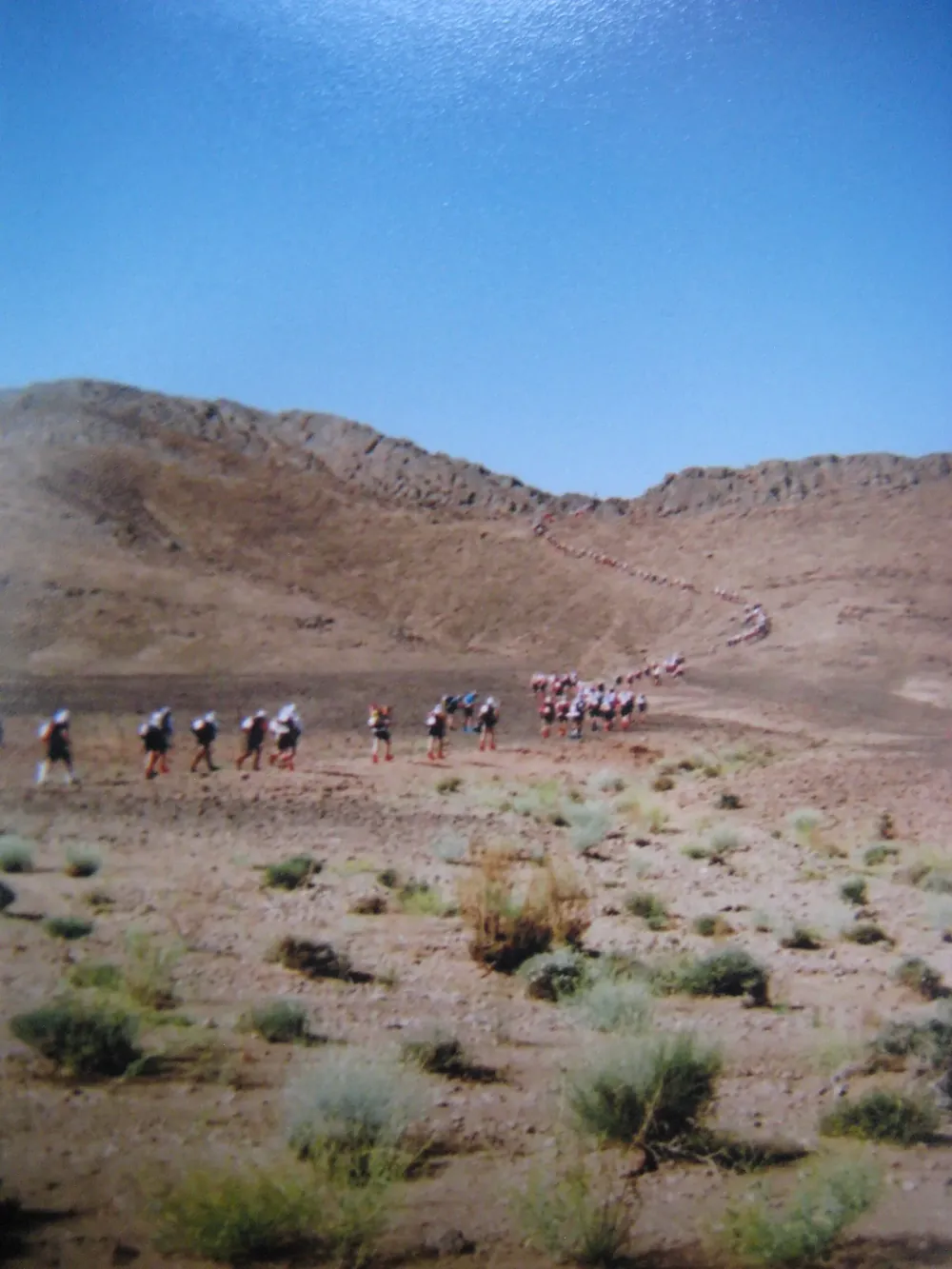
This is where the science of energy limits gets interesting. Thurber and colleagues (2019, in Science Advances, with Herman Pontzer) compiled energy data from endurance events lasting from half a day to more than 250 days, plus new data from runners covering about 250 km a week for 20 weeks in a transcontinental race. They found that sustained energy expenditure drops as events lengthen, levelling off below about three times basal metabolic rate. Their evidence suggests a limit of about 2.5 times basal metabolic rate over very long periods, set by how much we can eat, digest and absorb. Burn more than that and you are drawing on your body’s stores.
A six-stage race is much shorter than the weeks-long events behind that ceiling, so I wouldn’t say the desert race hits it. What the paper does say is that over long periods, intake is the limiting factor, which is why self-supported events are as much a food-planning problem as a running one.
What I take from it: when training or racing goes on for days, eating and recovery are the real limits. Think of them as part of the program, not a footnote.
Norseman
Norseman is a point-to-point triathlon in Norway: a 3.8 km swim that starts with a jump from a car ferry in Hardangerfjord, a 180 km ride with the first 40 km uphill, and a marathon finishing on the summit of Gaustatoppen. Athletes who reach the top within the cut-off times get a black finisher’s top and are called Norsemen. The race began in 2003.
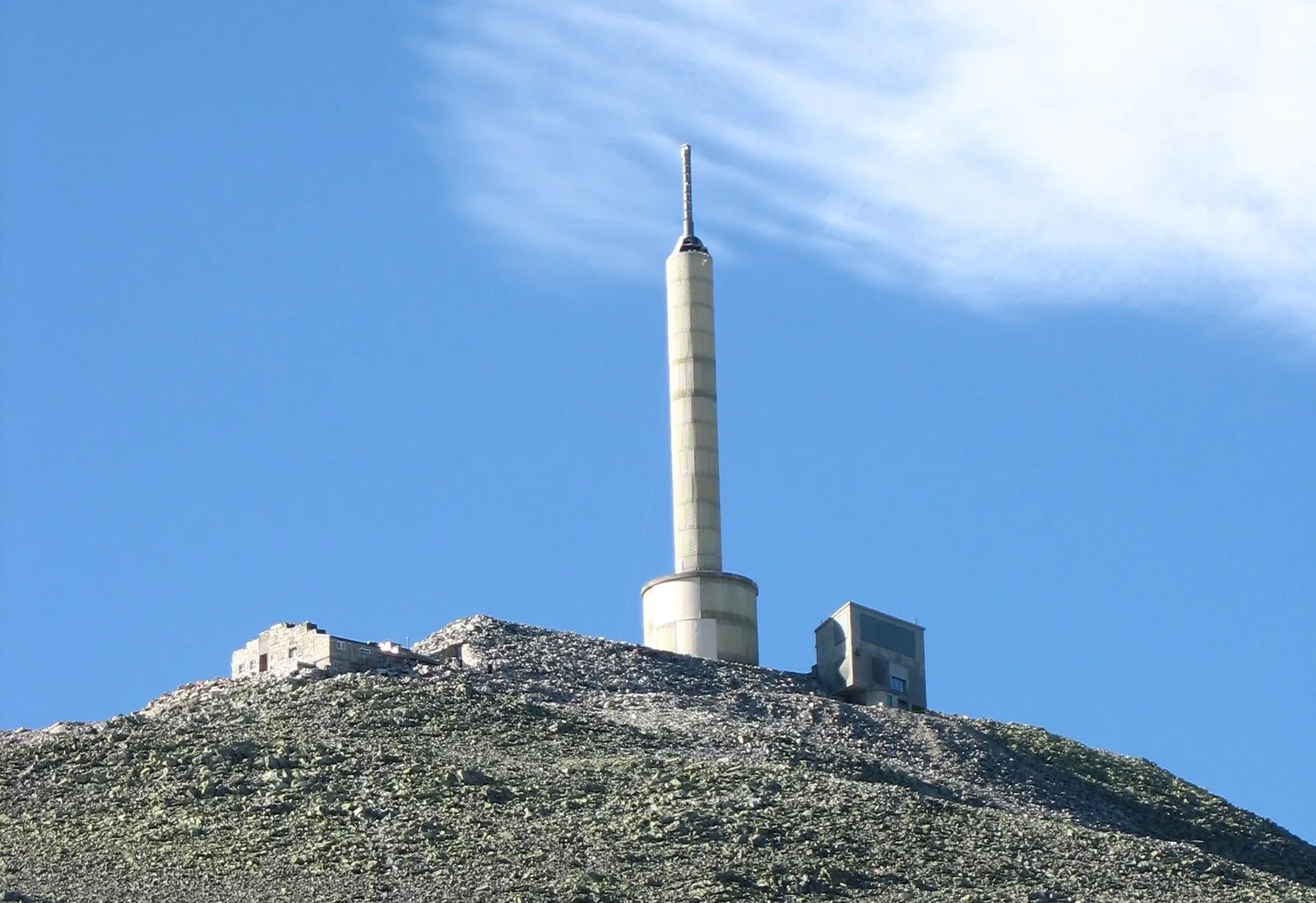
The fjord is cold. Race-day reports put the water at roughly 13 to 17 C (55 to 62 F), which is cold but not near freezing. In 2015 it was about 10 C, and organisers shortened the swim to 1,900 metres. Cold water carries real risks and needs proper preparation and respect.

What I take from it: conditions beat plans. Norseman is built around a hostile environment, and its organisers adjust the course when conditions demand it. In everyday training, that is the argument for flexibility. A good plan bends when the day isn’t what you expected.
What these events teach about ordinary training
The athletes who do well in these events are mostly not doing something unusual on race day. They did a lot of ordinary things over a long time.
- Pace for the distance. The Tor des Geants data hints that restraint is protective.
- Treat food as training. Energy availability limits long efforts, as the Science Advances paper shows.
- Build over years. Almost nobody starts with one of these. Pelaris has a post on returning to training after illness, which is about the same patience in a smaller key.
- Respect the environment. Heat, cold and altitude add risk, not just difficulty.
- Get checked and get help. See a doctor before a big build, and use a qualified coach for risky disciplines.
If you want a gentler route into long events, my pieces on training for a sport and a marathon, building muscle and endurance together and big challenges an everyday person can build toward cover the more realistic end of the same road. The endurance page has more on how Pelaris plans longer events.
Most of us will never stand on those start lines, and that’s fine. The principles scale down. A marathon is a long way to run, and the same ideas of pacing, fuelling and patience apply to it.
46:55
4:42/km
1:43:30
4:54/km
3:35:48
5:07/km
| Distance | Projected [EST] | Pace / km | Pace / mi | Pelaris 0.5x–2.0x Fence |
|---|---|---|---|---|
| 1,500m | 6:17 | 4:11/km | 6:44/mi | Outside 0.5x Fence (0.30x distance) |
| 1 Mile | 6:46 | 4:12/km | 6:46/mi | Outside 0.5x Fence (0.32x distance) |
| 3K | 13:06 | 4:22/km | 7:02/mi | Supported Projection (0.5x to 2.0x) |
| 5K | 22:30 | 4:30/km | 7:15/mi | Known Effort Baseline |
| 10K | 46:55 | 4:42/km | 7:33/mi | Supported Projection (0.5x to 2.0x) |
| 15K | 1:12:06 | 4:48/km | 7:44/mi | Outside 2.0x Fence (3.0x distance) |
| Half Marathon (21.1K) | 1:43:30 | 4:54/km | 7:54/mi | Outside 2.0x Fence (4.2x distance) |
| Marathon (42.2K) | 3:35:48 | 5:07/km | 8:14/mi | Outside 2.0x Fence (8.4x distance) |
General fitness and training estimates only. Not medical advice.
The link carries the numbers you entered in the part of the address after the #, which is never sent to a server. Share it only with people you are happy to show those numbers to.
About these numbers: Formula, guard-rails & 2 peer-reviewed citations ▾
T₂ = T₁ × (D₂ ÷ D₁)^1.06 · Supported Fence: 0.5× ≤ D₂/D₁ ≤ 2.0×
Pelaris only auto-projects race times between half and double the distance you actually ran (for example, 5K to 3K or 10K). Distances beyond 2.0x require specific long-run durability and fuelling verification.
- • When a strong run at one distance hints at your time over another, that is Riegel's power law, drawn from world records from 100 metres out to 100 miles. [Source]
- • Your VO2max estimate from a hard run comes straight from Daniels' VDOT tables, the pace-to-fitness model coaches have trusted for over forty years. [Source]
General fitness and training estimates only, labelled EST. Not medical advice or a clinical diagnosis.